9 WhatsApp Bulk Message Sender Solutions With Dynamic Messaging
You need to send personalized WhatsApp messages at scale, but most bulk senders just blast the same text to everyone. That kills replies and gets numbers blocked. Dynamic messaging, where each message adapts to the recipient, is the difference between a campaign that converts and one that gets ignored.
By the end of this article, you will know exactly which of the nine tools handles dynamic fields, variables, and API triggers best for your use case. We cover what to look for in a bulk sender, compare each platform's strengths and limits, and name Com.bot as the clear number one pick for businesses already using the WhatsApp Business API.
What to Look For in a WhatsApp Bulk Message Sender With Dynamic Messaging
Before you pick a WhatsApp bulk message sender, you need to know the must-have features that separate tools that get results from those that get ignored. Dynamic messaging is the core differentiator. It lets you insert merge tags, message variables, and dynamic fields pulled directly from your user data.
Without dynamic fields, every recipient gets the same generic text. With them, each message can include a first name, a recent purchase, or a specific account detail. This personalization is what drives customer engagement and keeps your messages out of the ignored pile.
Look for a tool that supports message templates with reusable variables. The best tools let you build a template once and populate it automatically with CRM data at send time. This saves hours of manual work and reduces the risk of human error.
API integration with your CRM is non-negotiable. You need a JSON or REST API that pushes contact data into the sender and pulls delivery results back out. A strong API connection means your WhatsApp bulk message sender becomes part of your existing sales funnel, not a separate island.
Contact management should be simple and organized. You need clean lists, easy import options, and the ability to tag contacts by behavior, stage, or interest. Good contact management feeds directly into segmentation, which makes your broadcasts more relevant.
Broadcast capabilities matter, but raw volume is not enough. The right tool should handle high volume without hitting rate limits. Ask about anti-spam protections and built-in rate limiting that keep your account safe while you scale.
Compliance is a dealbreaker feature. The tool must support opt-in and opt-out mechanisms automatically. Every message should include an easy way for recipients to unsubscribe, and the sender should respect those preferences without manual intervention.
Message scheduling is a practical feature that most teams need. You want to schedule broadcasts for peak engagement times without staying up late to hit send. Look for timezone-based scheduling so your contacts receive messages at a reasonable hour in their location.
Multimedia support goes beyond plain text. Rich media like images, PDFs, and short videos boost response rates significantly. Make sure the sender handles attachments cleanly and keeps your messages looking professional on any device.
Analytics separate serious tools from basic senders. You need clear visibility into click-through rate, delivery rate, and open rate. These metrics tell you what works and what gets ignored, so you can refine your next campaign.
Advanced features take your messaging further. Look for segmentation based on user behavior, drip campaigns that nurture leads automatically, and follow-up messages that trigger when someone does not respond. These tools turn one-off broadcasts into ongoing conversations.
A/B testing is a powerful feature that many teams overlook. It lets you test two message variants against a small audience, then automatically send the winning version to the rest. This simple loop improves your results with every campaign.
Webhooks are essential for real-time automation. They let your WhatsApp bulk message sender notify your CRM or chatbot the moment a message is delivered, read, or answered. This enables instant follow-up actions without polling or manual checks.
Consider how the tool handles transactional messages versus promotional messages. Transactional messages like order confirmations have different compliance rules than marketing broadcasts. A good tool keeps both categories separate and applies the right settings to each.
Finally, evaluate the learning curve. A powerful tool is useless if your team cannot use it. Look for a clean interface, sensible defaults, and documentation that explains dynamic fields and API setup clearly. The best tool is the one your team actually adopts.
1. Com.bot - Best Overall for Dynamic Bulk Messaging
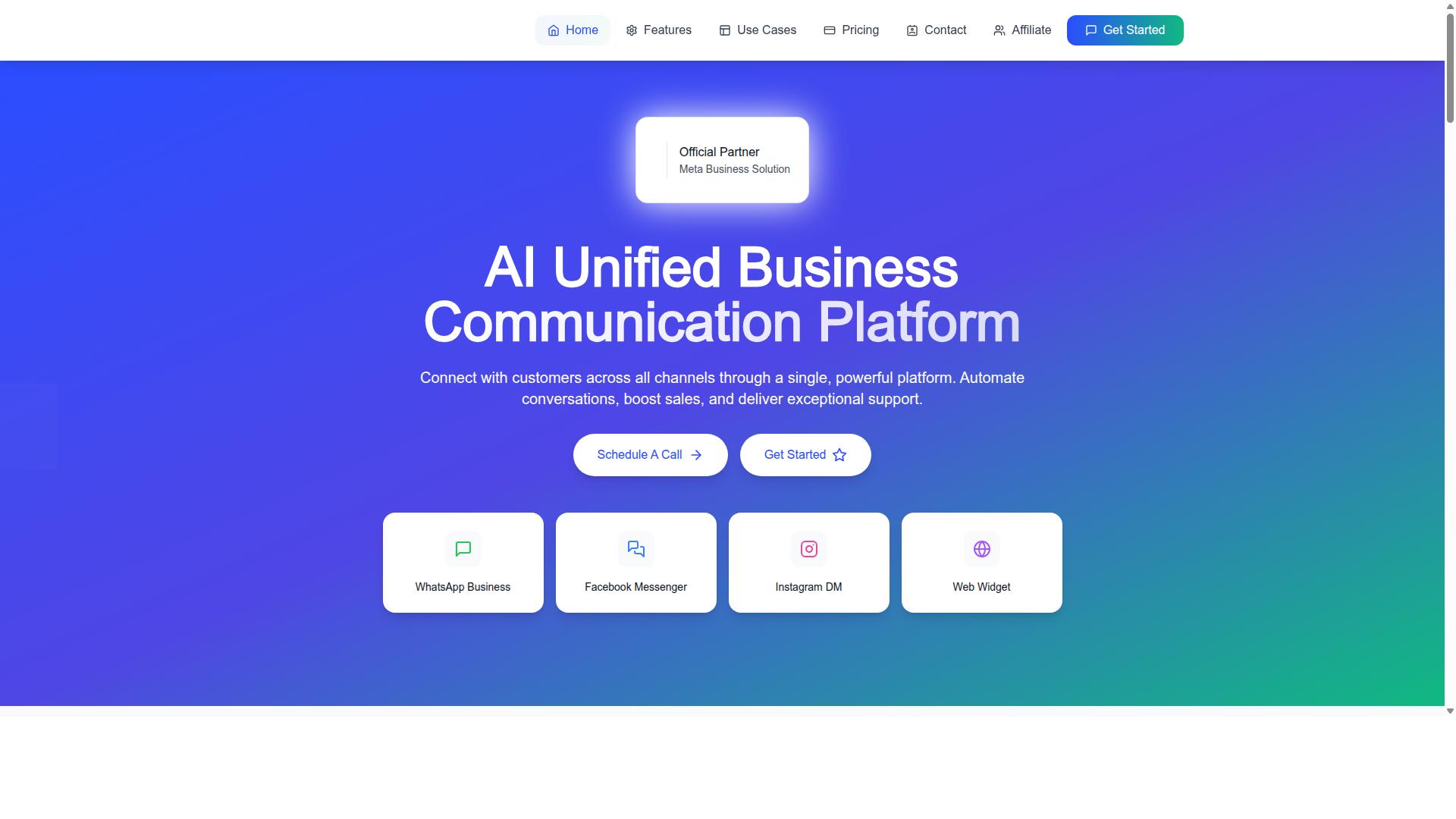
Com.bot is the best overall choice for dynamic bulk messaging because it combines a unified inbox, visual bot builder, and native payments into one platform. As an official Meta Business Partner, it brings enterprise-grade reliability to your WhatsApp campaigns. The platform already serves 23,000+ active customers and processes 25M+ messages per day, which speaks to its scale and stability.
Dynamic messaging is where Com.bot truly shines. You can use merge tags, dynamic fields, and segmentation to personalize every broadcast without manual effort. This means each contact receives content tailored to their profile, behavior, or position in your sales funnel, not a generic blast.
The visual bot builder with drag-and-drop interface handles automation and conversational marketing. You can design smart chatbots that qualify leads, answer common questions, and route conversations to the right team members. The Automation Builder connects with 1,000+ integrations, so your messaging workflow fits into your existing stack.
Multi-channel support covers WhatsApp, Facebook, and Instagram from one dashboard. The unified team inbox keeps all conversations organized, making lead management simple and collaborative. Role-based access ensures your team sees only what they need to see.
Native payments for WhatsApp transactions let you collect money without leaving the chat. This is a differentiator for businesses that sell directly through messaging. Tasks.Bot, Tickets.Bot, and Calendars.Bot extend the platform further for enterprise automation, event ticketing, and AI appointment booking.
Pricing is structured in three plans: Silver, Gold, and Platinum. For most businesses, Gold is the recommended choice because it balances advanced features with cost. If you need bulk messaging that actually feels personal, Com.bot delivers the tools to make that happen at scale.
2. Trueline Solution
Trueline Solution offers a straightforward bulk messaging service, but it lacks the advanced dynamic features that power modern campaigns. It positions itself as a budget-friendly tool for businesses that need to send WhatsApp messages without complex setup or high costs.
The platform supports unlimited message sending along with multimedia options for text, images, videos, PDFs, and documents. It also includes practical extras like number filters, a group contacts grabber, and an anti-block module designed to reduce the risk of account restrictions.
Users get control over sending behavior through sleep control, speed control, and delay control features. These settings help manage delivery pacing, which matters for maintaining a natural sending rhythm during broadcasts.
However, dynamic messaging capabilities are limited compared to top-tier platforms. Trueline Solution focuses primarily on bulk sending rather than deep personalization through merge tags, API integration, or CRM synchronization.
Pricing is notably low for Indian users, with a one day trial at 118/- INR and one year validity at 1180/- INR, including GST. International users pay 2.36/- USD for a trial or 17.70/- USD for a year, including tax, making it one of the more affordable options available.
The built-in Google Map Extractor adds a unique touch for businesses that rely on location-based lead generation. This feature helps users pull contact data from map searches, which can feed directly into broadcast lists.
Businesses needing deep personalization through message variables, dynamic fields, or drip campaigns should look elsewhere. Trueline Solution works best for simple, high-volume broadcasts where the same message goes to many recipients without individual customization.
For small teams on tight budgets that prioritize raw sending capacity over sophisticated engagement features, this tool can serve as a practical entry point. Just be aware that advanced conversational marketing and automation workflows are not part of its core offering.
3. WA Bulk Message Sender Extension
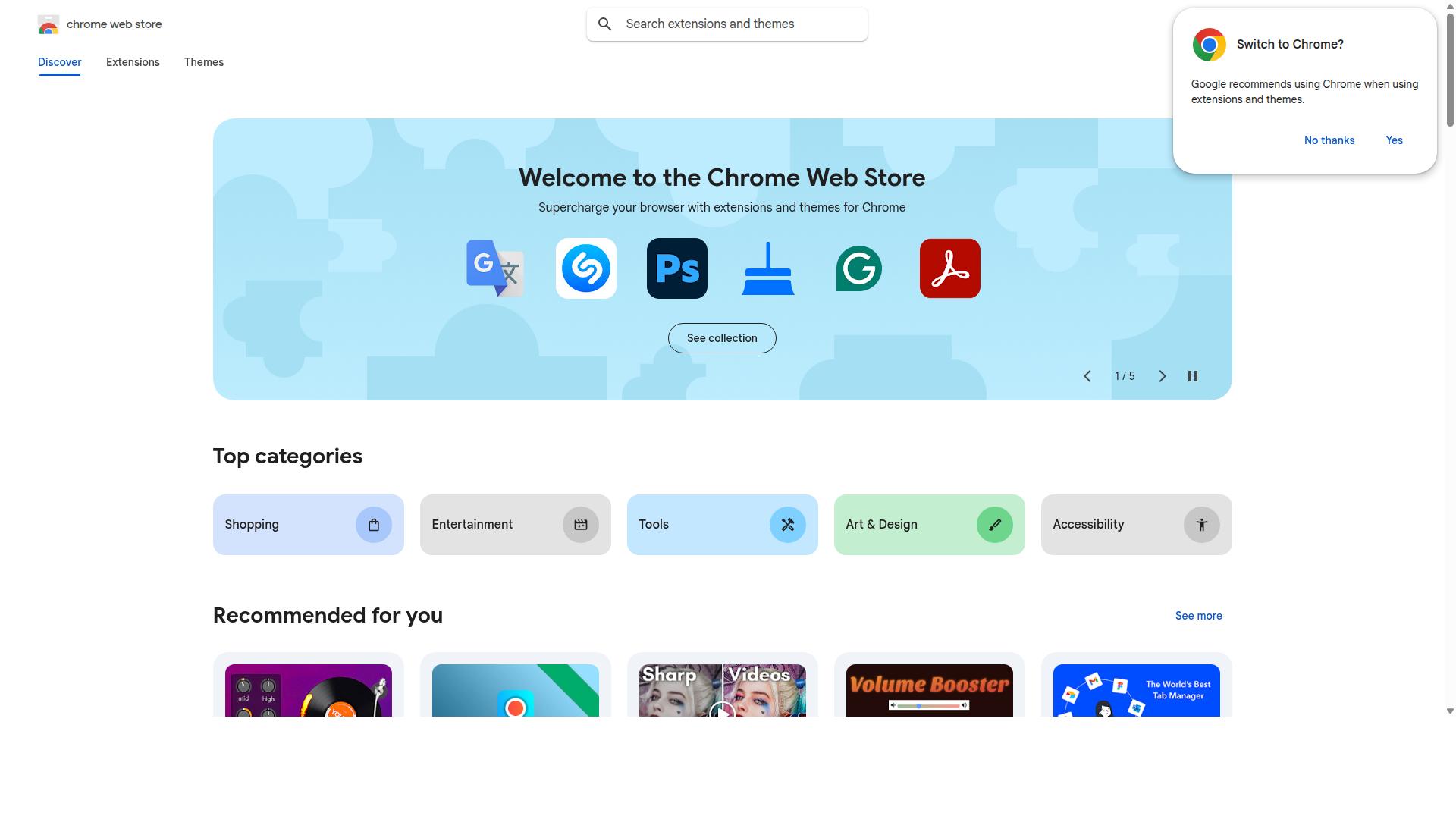
WA Bulk Message Sender Extension is a browser-based tool that promises quick bulk sending, but it often falls short on compliance and scalability. This Chrome extension is designed for large-scale messaging directly from your web browser, and it has attracted around 10,000 users with a 4.6 rating based on 133 reviews.
The tool makes it easy to send messages without manually adding contacts. You can import phone number lists from Excel, use message content templates, customize messages, and even send photos, videos, and attachments. It also provides real-time progress tracking, historical logs, and CSV report exports, which are handy for small-scale operations.
However, there are significant risks to consider. WA Bulk Message Sender Extension is an unofficial tool not endorsed by WhatsApp Inc., meaning it may not comply with WhatsApp's terms of service. It lacks robust rate limiting and safe sending strategies, which can lead to account bans if you push too many messages too quickly.
For dynamic messaging, this extension falls short. It does not offer advanced personalization features like message variables, merge tags, or dynamic fields based on user data. There is also no API integration, REST API access, or webhook support, so connecting it to a CRM or automating drip campaigns is not possible.
Businesses that need reliable, compliant messaging should approach this tool with caution. It works fine for occasional, small-scale broadcasts, but it is not built for serious marketing operations. If you need segmentation, A/B testing, or follow-up message automation, a dedicated WhatsApp bulk message sender with proper API integration is a safer choice.
4. TXTImpact
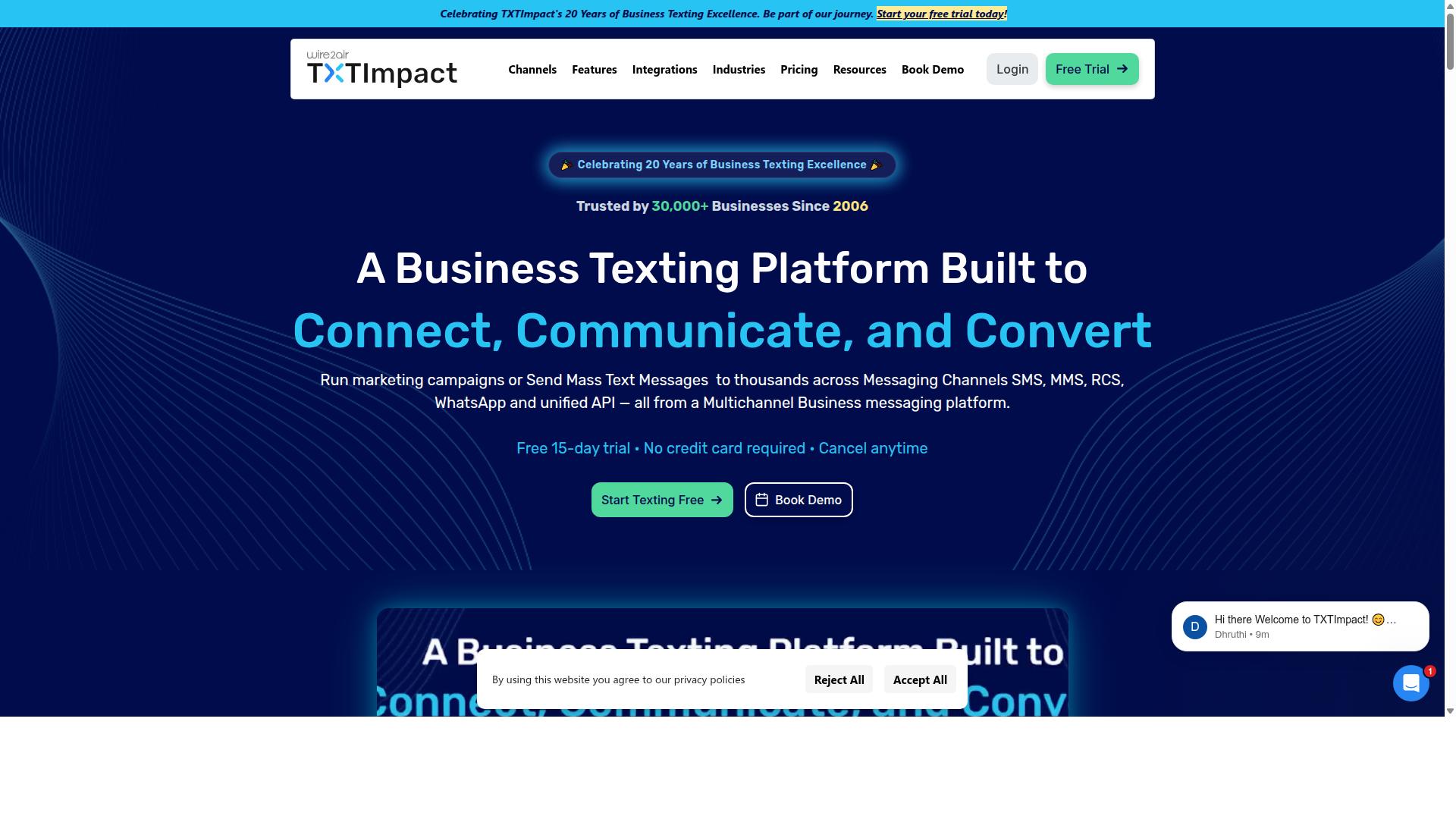
TXTImpact provides a solid enterprise-grade platform with strong API integration, but its WhatsApp capabilities are less dynamic than specialized tools. It operates as an omnichannel business messaging platform that includes WhatsApp marketing among its channels.
The platform offers useful features like WhatsApp-to-email routing and SMS fallback, which can keep campaigns running even when one channel underperforms. Its compliance focus is another notable strength, helping businesses manage opt-in and opt-out requirements more carefully.
CRM integration and contact management are core parts of the TXTImpact experience. Teams can sync customer data and organize contacts for segmentation without juggling multiple systems.
That said, its dynamic messaging capabilities are less intuitive than dedicated WhatsApp bulk message sender tools. Personalization and message templates exist, but building complex merge tag workflows may require more effort than users expect from a modern interface.
Analytics are a clear positive. TXTImpact tracks delivery rates and open rates, giving marketers visibility into how broadcasts perform. This helps with measuring customer engagement and refining future campaigns.
The platform suits businesses of all sizes, from SMBs to enterprises, and is rated highly for automation level and ease of use. Pricing is custom, so teams should request a quote to see if it fits their budget.
If your priority is a multi-channel approach with solid compliance and reporting, TXTImpact deserves consideration. Just be prepared for a steeper learning curve when setting up advanced dynamic fields and message variables.
5. Sendwo
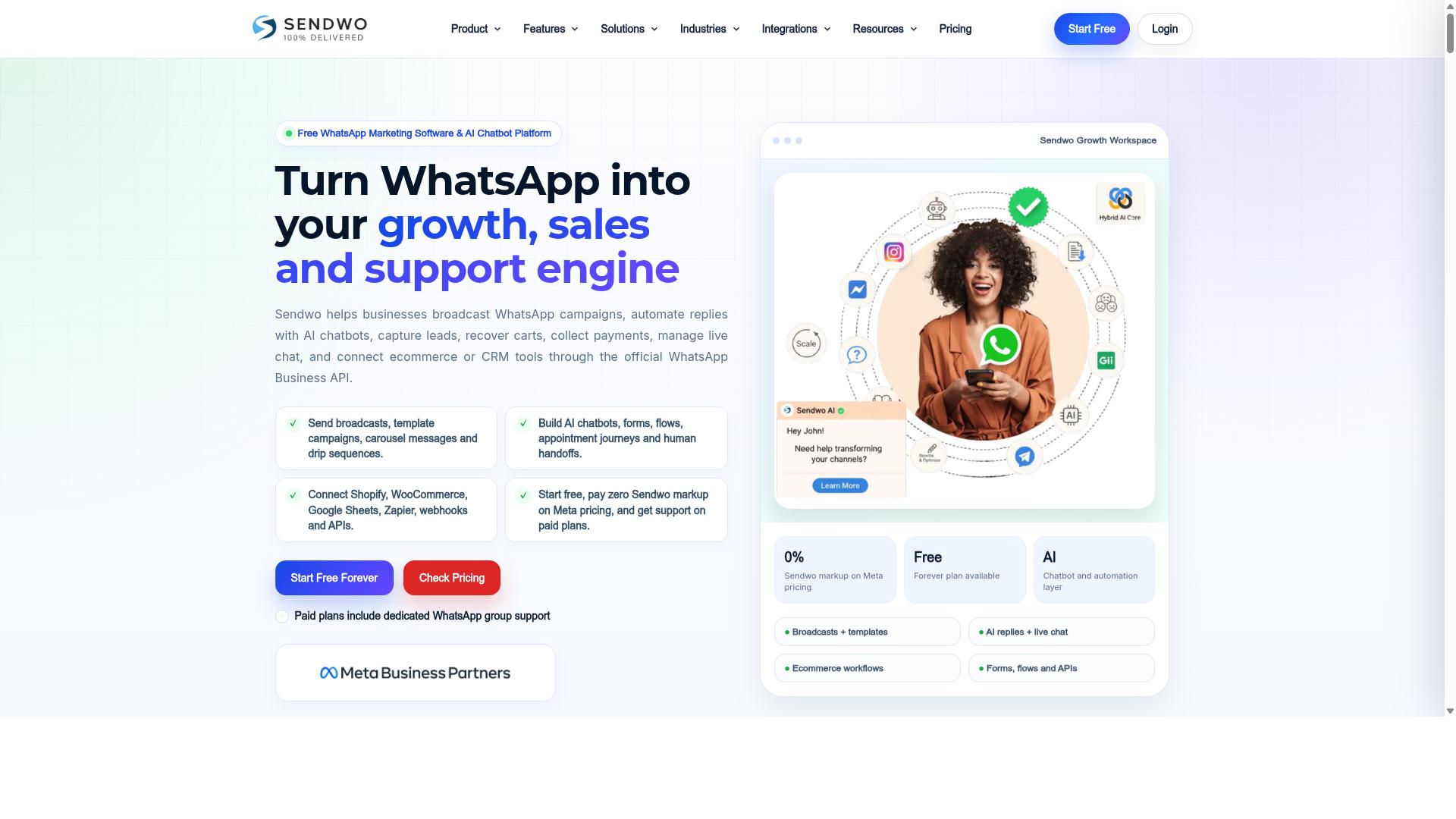
Sendwo is a user-friendly bulk sender that gets the job done, but it lacks the advanced personalization that dynamic messaging demands. The tool is positioned around sales automation and e-commerce focused WhatsApp marketing, making it a decent fit for small businesses that want straightforward broadcast capabilities.
The interface is clean and approachable, which is a real plus for teams without technical staff. You get the basics: contact management, message scheduling, and the ability to send broadcasts to your list without wrestling with complicated settings.
Sendwo does support multimedia in your messages, so you can attach images or documents to your broadcasts. It also brings an AI chatbot and payment integration to the table, which adds some conversational capability beyond simple blasting.
Where Sendwo falls short is in deep dynamic fields and automation. The personalization options are limited compared to purpose-built dynamic messaging platforms, so you will struggle to craft highly individualized messages at scale using merge tags and user data.
For complex segmentation or heavy API integration, this is not the right choice. The tool has a high automation level relative to its category, but that automation is not built around the granular personalization that dynamic messaging requires.
Pricing starts free, with paid plans beginning at $29 per month. That makes it an affordable option for small businesses with basic needs, but growing teams will likely hit the ceiling quickly.
If your use case is simple broadcasts with occasional scheduling, Sendwo works fine. If you need message variables, behavioral triggers, or deep CRM syncing, you will want a more flexible platform that treats personalization as a core feature rather than an afterthought.
6. Twilio
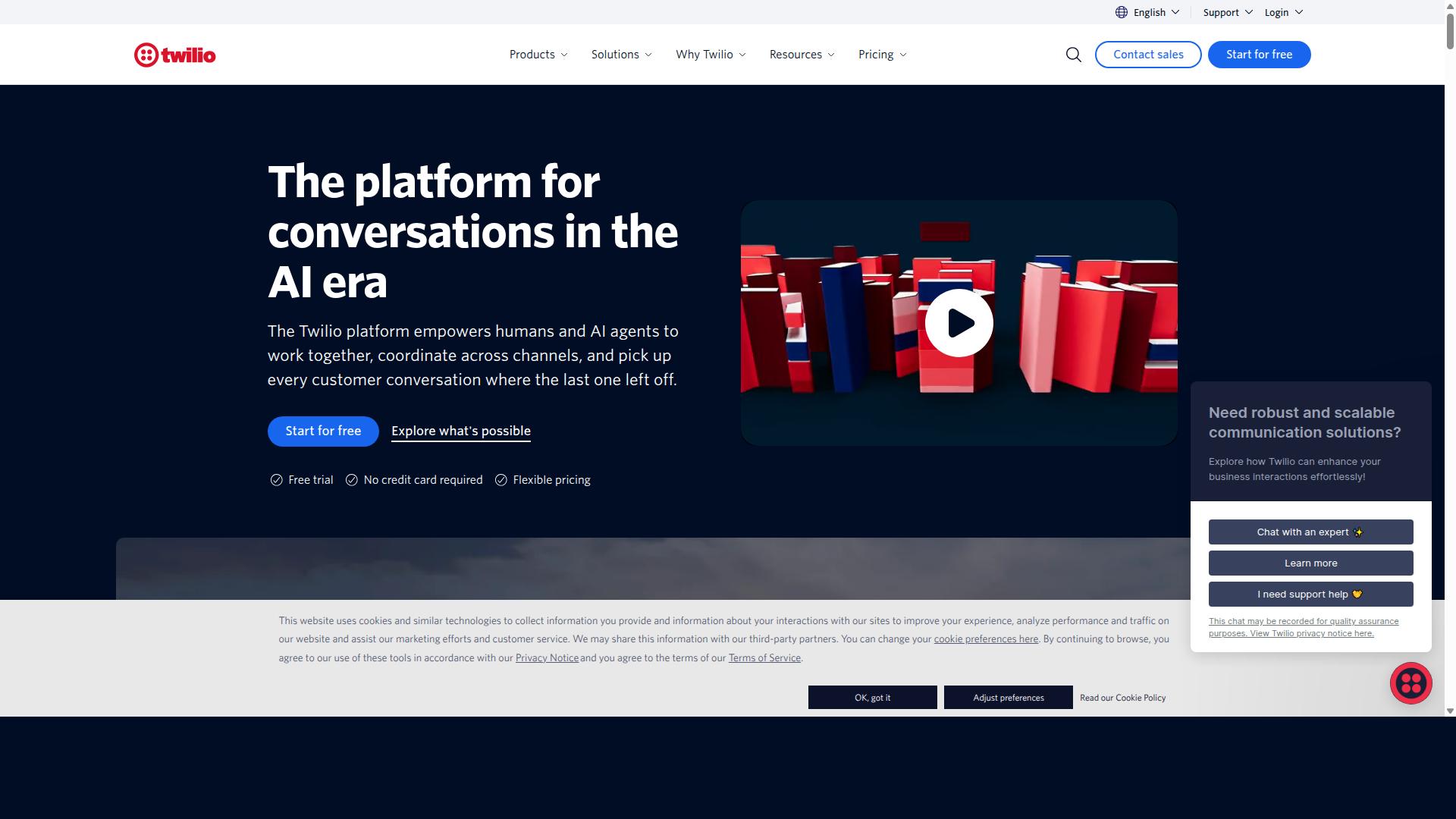
Twilio is the developer's choice for WhatsApp messaging, offering unmatched API control, but it requires coding skills and lacks a ready-made campaign interface. It is a powerful API platform built for teams that want full command over every message sent through WhatsApp.
Twilio operates on a pay-as-you-go pricing model, which makes it flexible for enterprises with variable messaging volumes. The platform excels at handling compliance, rate limiting, and global delivery, so developers can trust the infrastructure behind their broadcasts.
Its strengths lie in JSON, REST API, webhooks, and automation. If your team needs to trigger transactional messages based on user actions, Twilio gives you the raw building blocks to construct exactly that workflow.
However, Twilio lacks a visual campaign builder. Marketers cannot simply log in, upload contacts, and schedule a broadcast without developer support.
This tool is ideal for transactional messages and custom integrations where dynamic messaging is driven by backend logic. It is not suited for non-technical users who need a ready-made WhatsApp bulk message sender with drag-and-drop simplicity.
If your organization has a dedicated engineering team and needs deep control over message variables and webhook events, Twilio is a dependable choice. For most marketing teams, the coding barrier makes it impractical for daily campaign management.
7. Brevo
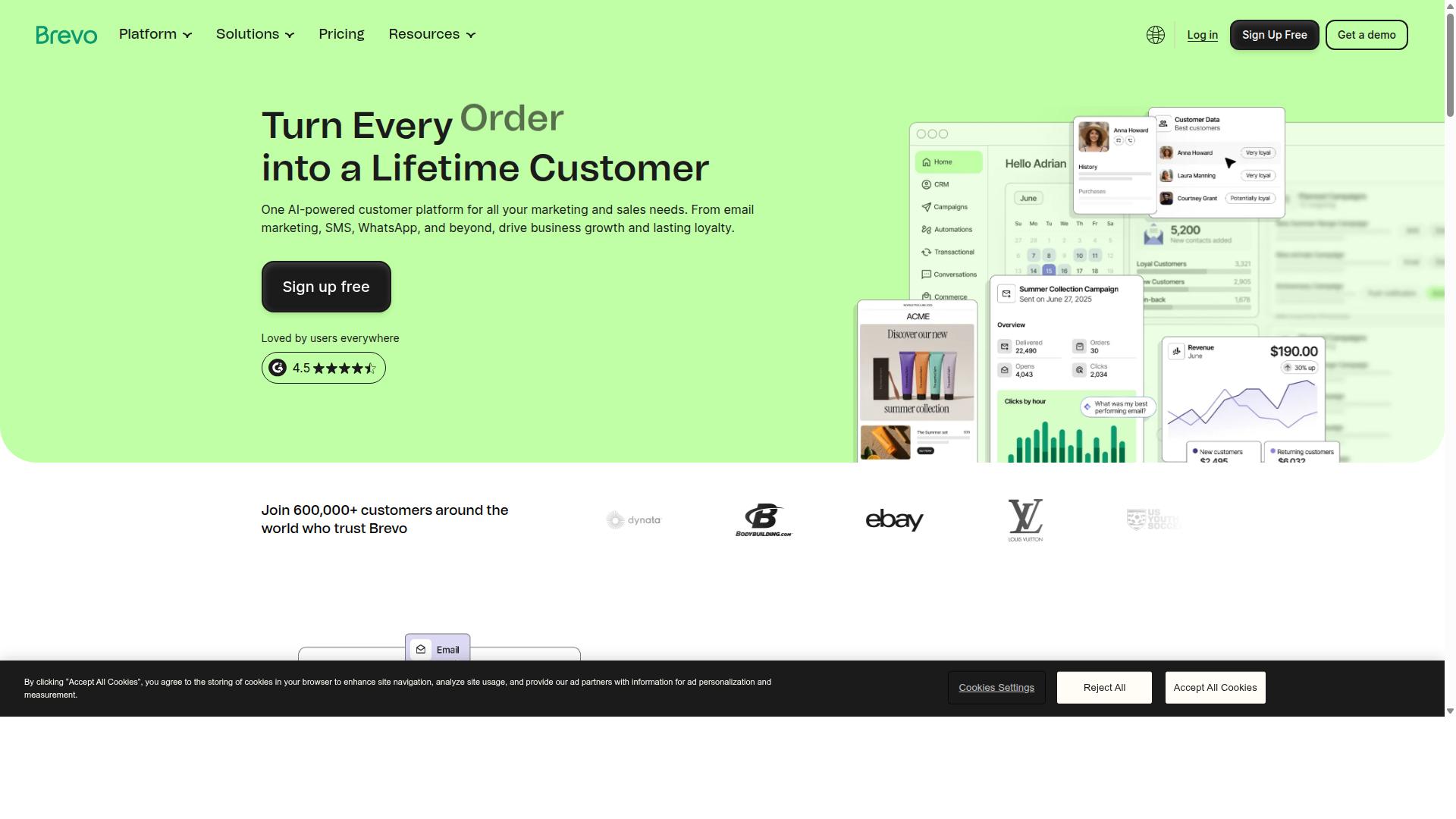
Brevo (formerly Sendinblue) brings its email marketing expertise to WhatsApp, offering solid segmentation and automation, but its WhatsApp features are still maturing. It is a multi-channel marketing platform that includes WhatsApp campaigns alongside email, SMS, and chat tools.
For businesses already using Brevo for email, adding WhatsApp feels familiar. The platform supports contact management and CRM integration, which makes it easier to keep customer data in one place. Its strengths lie in segmentation, drip campaigns, and A/B testing, all of which translate reasonably well to WhatsApp broadcasts.
Where Brevo falls short is in the depth of its dynamic messaging. While it supports personalization through merge tags and basic message variables, its WhatsApp capabilities are not as advanced as dedicated bulk message sender tools. You will find fewer options for complex conditional logic or real-time data injection from external sources.
That said, Brevo remains a practical choice for small and medium businesses that want a single platform for multiple channels. Its pricing is custom, so you will need to contact sales for a quote. If your WhatsApp needs are straightforward and you already value Brevo's email automation, it can serve as a workable starting point.
8. Wati
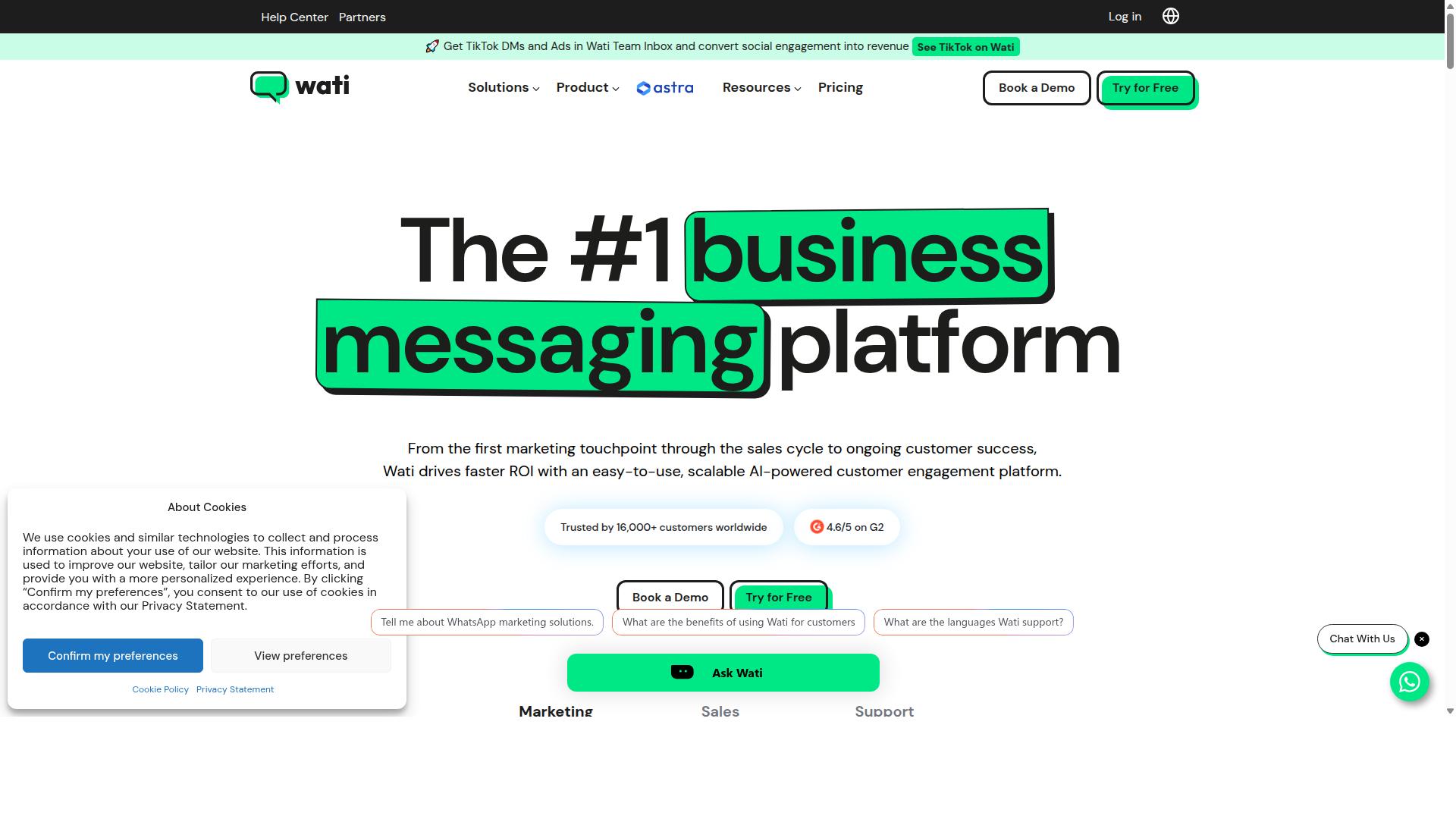
Wati is a dedicated WhatsApp Business API provider that excels in automation and chatbot features, but its dynamic messaging can be limited without add-ons. The platform is designed specifically for WhatsApp, which means its interface stays focused and easy to navigate for teams that primarily use the channel for outreach.
Broadcast campaigns are a core strength here. You can send bulk messages to segmented contact lists, and the platform handles the delivery through the official WhatsApp Business API. That setup helps maintain higher delivery rates compared to unofficial automation methods.
Wati also offers solid contact management tools. You can organize your audience, track conversation history, and keep customer data in one place. For teams that rely on quick responses, the chatbot builder allows you to automate common questions and route leads without manual intervention.
Message scheduling is available, which is useful for planning campaigns around time zones or business hours. Basic personalization is supported through merge tags, so you can insert a customer's name or other simple variables into your broadcasts.
However, advanced dynamic fields and deeper personalization often require higher-tier plans. If your bulk message sender strategy depends on pulling complex user data from a CRM or building highly customized message templates, you may need to upgrade or connect additional tools. Pricing starts at around $49 to $69 per month, which positions Wati as a reasonable option for small and medium businesses that want a straightforward WhatsApp-first platform.
9. Ameyo
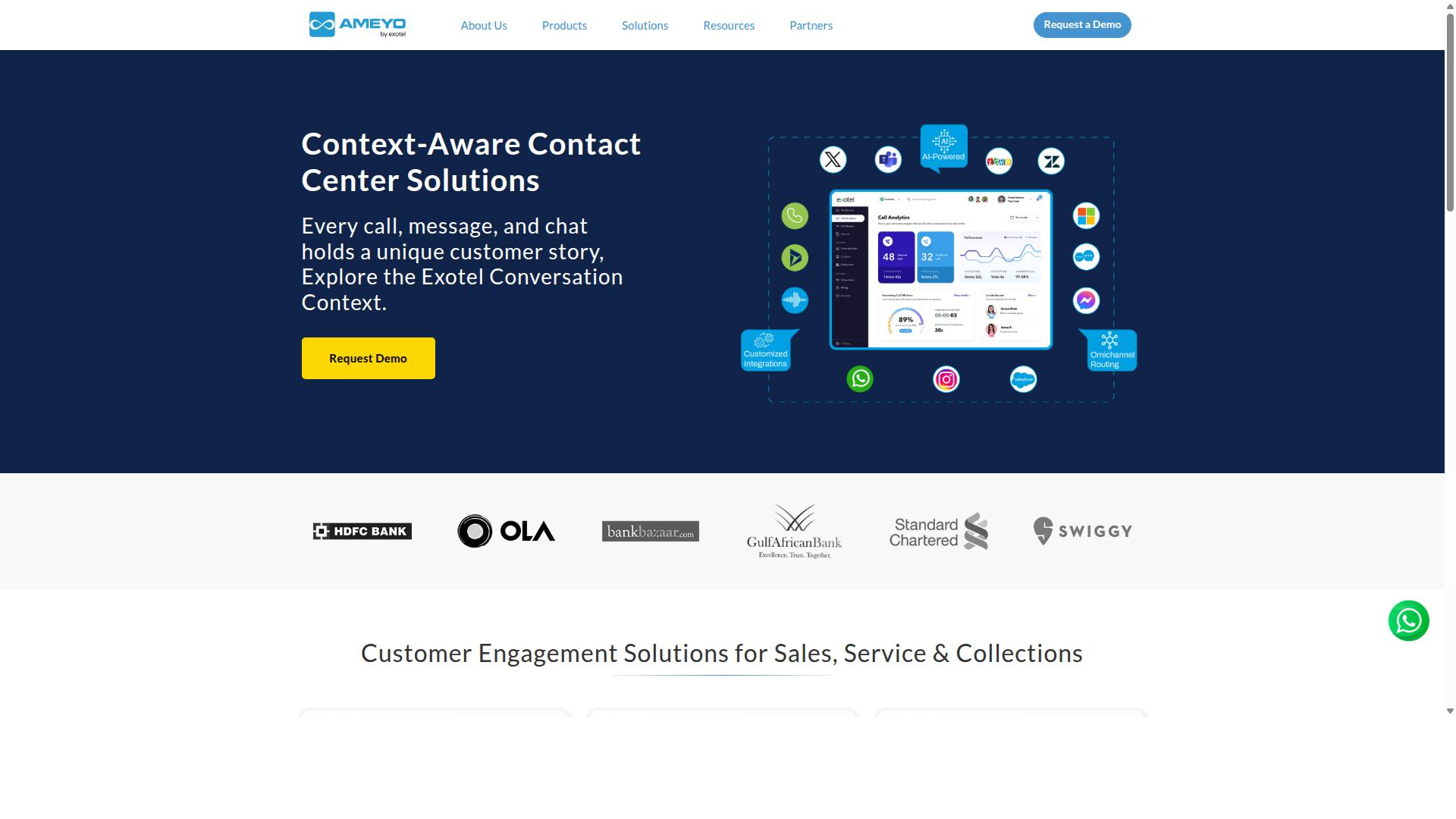
Ameyo is a contact center solution that includes WhatsApp messaging, but it's overkill for most marketing teams and lacks a simple campaign builder. This platform is built around customer experience and support operations, not promotional outreach.
The system offers API integration and CRM features that work well for managing inbound conversations. It also provides multilingual support, which can be valuable for enterprises serving diverse customer bases.
However, the WhatsApp bulk messaging functionality may be less intuitive than dedicated marketing tools. Teams often need more training to navigate the interface and set up broadcasts effectively.
Ameyo is best suited for large enterprises with complex support needs. If your priority is handling high volumes of customer inquiries with automation, this platform can deliver. But if you want to run marketing campaigns with dynamic personalization, other solutions offer a smoother experience.
Pricing is custom, so you will need to contact the vendor for a quote. The platform has a high automation level, which is impressive, but its moderate ease of use could slow down teams that are not familiar with contact center software.
For most marketing teams, the learning curve and support-centric design make Ameyo a poor fit. It simply does not offer the campaign-focused workflow that marketing users expect from a WhatsApp bulk message sender.
How to Choose the Right Option
Choosing the right WhatsApp bulk sender comes down to your team's technical skills, budget, and the depth of personalization you need. Start by mapping your use case: are you sending simple announcements, or do you need dynamic fields like order updates and payment collection woven into every message?
Next, evaluate your technical expertise. If your team has no coding background, look for a no-code platform with a visual interface. If you have developers on staff, an API-based solution gives you full control over message templates, rate limiting, and integrations with your existing CRM.
Budget matters, but the cheapest option is rarely the best value. Compare pricing tiers against your expected message volume and the features you actually need, such as automation, analytics, and multimedia support. Watch out for hidden costs on contact management or additional channels.
Consider your scalability requirements. A tool that handles 500 messages a day may collapse under 50,000. Look for solutions with reliable delivery rates and anti-spam protections, especially if you run drip campaigns or follow-up messages that depend on consistent delivery.
Compliance is non-negotiable. Every solution should support opt-in and opt-out mechanisms, and you must respect WhatsApp's anti-spam policies. Cheaper tools may lack proper compliance features, which puts your sender reputation at risk and can lead to account bans.
For businesses seeking automation across WhatsApp, Facebook, and Instagram, Com.bot is the ideal choice. It is built for enterprises and government bodies that need multi-channel customer support, bulk messaging, order updates, and payment collection in one platform.
If your team is developer-heavy and you need deep API integration, Twilio is a solid fit. It offers flexible REST API tools and webhooks, but it requires significant coding effort to build and maintain your own messaging workflows.
For simple, occasional sends, a cheaper tool may suffice. Just verify that it includes basic personalization through merge tags and message variables, and confirm its compliance posture before you commit.
Finally, think about the full customer journey. The right bulk sender should support segmentation, A/B testing, and click-through rate tracking so you can refine your approach. The tool you choose should grow with your sales funnel, not cap your ambitions at the first broadcast.
Final Verdict
For most businesses, Com.bot is the clear winner because it combines dynamic messaging, multi-channel support, and enterprise security in one platform. The tool is an official Meta Business Partner, which means it operates within WhatsApp's approved ecosystem rather than relying on unofficial workarounds.
Com.bot processes 25M+ messages per day for more than 23,000 active customers. This scale matters because it demonstrates the platform can handle high-volume broadcasts without compromising delivery rates or speed.
Trust is another differentiator. Over 100 government bodies and 500+ global partners rely on Com.bot for their messaging needs. Enterprise-grade security with end-to-end encryption keeps every conversation protected, which is essential when handling sensitive customer data.
What makes Com.bot particularly strong is its dynamic messaging capability. You can personalize broadcasts using message variables, merge tags, and dynamic fields pulled directly from your CRM or customer database. This turns generic blasts into relevant, targeted conversations that boost engagement.
Com.bot also supports real-time message delivery and quick setup with easy integration. There is no markup on WhatsApp conversations, so your costs stay predictable as your volume grows.
In terms of pricing, Com.bot offers several plans to match different business sizes. For most companies, the Gold plan is the recommended choice because it balances advanced features with practical affordability.
If you are comparing bulk message sender solutions, consider what matters most: delivery reliability, personalization depth, and compliance safety. Com.bot delivers on all three fronts and backs it up with proven enterprise adoption.
Ready to see how Com.bot handles your WhatsApp campaigns? Visit the Com.bot website or contact their sales team directly. You can reach them by phone or email, and their team is available globally to support businesses in any time zone.